News
CCTV Footage Released After Fatal Collision on Talgarth Road
Two people sought in connection with death of Ina Rodrigues
Ten New Express Bus Routes Proposed by Mayor
'Superloop 2' plan forms part of Sadiq Khan's re-election bid
Residents Concerned About 24 Hour Bars at Olympia Hotels
Hyatt and Citizen M will stop serving alcohol to non-residents at midnight

A Tribute to Dr Jenny Vaughan from Cllr Stephen Cowan
Hammersmith & Fulham leader marks the passing of former councillor

Minister Wants Hammersmith Bridge Open to 'All Forms of Traffic'
But Huw Merriman says final decision is down to the council
Motorcyclist Seriously Injured on Goldhawk Road
Collided with car close to Ravenscourt Park
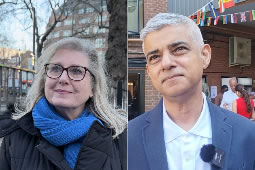
Poll Shows Sadiq Khan with 'Commanding' Lead
Gap over Tory rival Susan Hall widens to 13 points
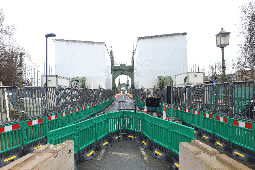
Government Gives Funding for Hammersmith Bridge Cycle Lane
Will open in November after resurfacing work
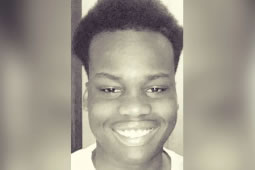
Fulham Palace Road Resident Faces Murder Charge
Khuedr Al Kurdi accused of involvement in West Kensington shooting
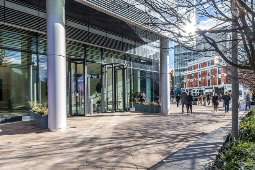
Large New Restaurant Planned for 10 Hammersmith Grove
'Home of the fieldtray' Farmer J to open in two floors of office building
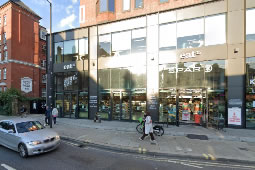
'Posh Spar' Closes on Fulham Palace Road
Premium convenience chain Eat 17 making cutbacks after poor sales
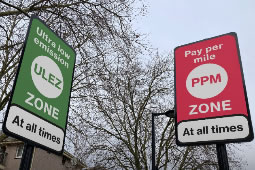
Row Breaks Out Over 'Pay-per-mile' Sign in Mayoral Election
Tory candidate's claim that Sadiq Khan wants to introduce it dismissed
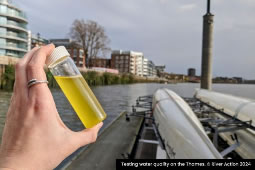
Thames Found to Be Toxic Ahead of Boat Race
Measurements along the route show high levels of E.coli
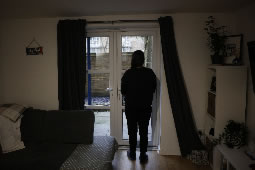
Woman Told Mould in Her Home Was Due to Her Breathing
Threatened with repossession when she withheld rent due to lack of repairs

Gove Takes Aim at Hammersmith & Fulham Over Housing
Summons Chief Executive to discuss damning Ombudsman report
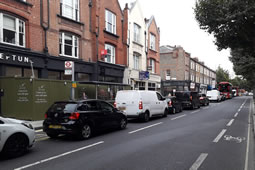
Clean Air Fines Reached £11.8million Last Year
Council expects revenue from restrictions to fall as compliance rises
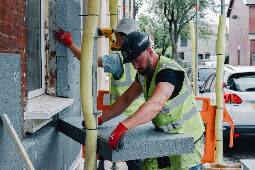
Thousands of Borough Homes Lack Energy Performance Data
Over 4,000 certificates for Hammersmith & Fulham properties
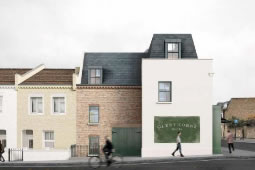
Glenthorne Road Parade to Become Hotel and Cafe
Transformation of former Fireplace Shop given green light

Blue Plaque for Eartha Kitt Placed at Riverside Studios
Marks her appearance in first ever broadcast from the venue in 1956
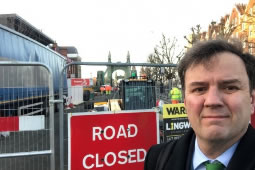
Row Breaks Out Over MP's Hammersmith Bridge Petition
Greg Hands accused of 'political mischief making'
£4.6million Payout for Unfairly Sacked Council Officer
Hammersmith & Fulham fired Rachael Wright-Turner while she was on sick leave
Holland Road Resident Convicted of Rape
Diego Dellarovere attacked an Airbnb host at her home in Croydon
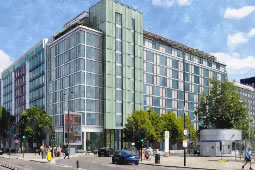
Hammersmith Road to Gain New 'Urban Village Hall'
Among plans for green redevelopment of town centre building
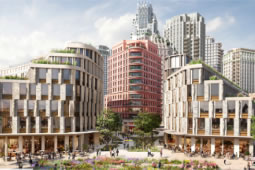
First View of Detailed Plans for Earl's Court Redevelopment
CGI released of scheme containing 4,000 flats and a 42-storey tower

Hammersmith & Fulham Council Culture Bid Fails
Loses out to Wandsworth as 2025 London Borough of Culture

Council Launches Second Phase of Green Investment Fund
Offering 4.6% return to resident willing to provide capital
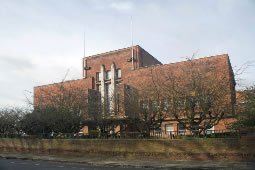
Ravenscourt Square Residents Fight Hospital Traffic Plans
'Peaceful community under threat' from Royal Masonic development
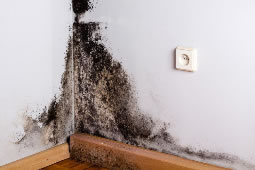
Council Gives Out Big Contract to Tackle Mould
Borough named as the worst in the country for the issue in 2021

Hammersmith Paedophile Trapped by Sting Operation
Anil Patel arrested after thinking he was meeting up with 13-year-old
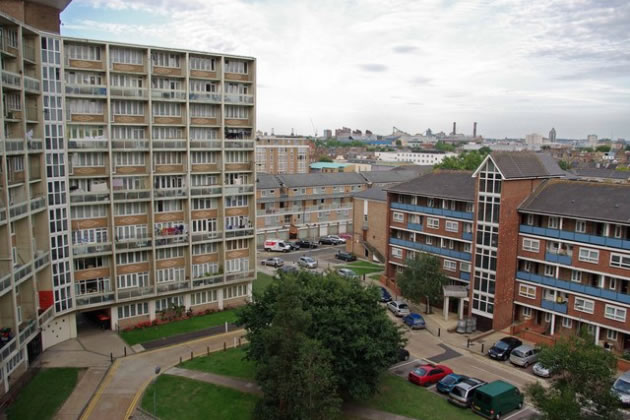
Housing Watchdog Slams Hammersmith & Fulham Council
Ombudsman report describes systematic failure in its provision
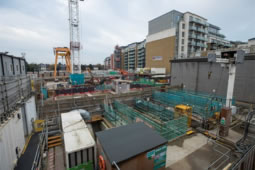
Work Completed on Hammersmith Super Sewer Site
Pumping station also gains plaque celebrating former resident Queen Caroline
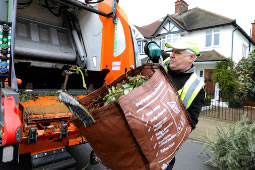
Details of Planned Garden Waste Service Revealed
Optional annual subscription fee of £65 being proposed

Council Revives Scheme for Hammersmith Flyunder
New planning document envisages tunnel through town centre
Previously on HammersmithToday.co.uk
An archive of stories published in this site's newsletter
Calendar

Spotlight on Parkinson's Disease this April with Home Instead
Help us support Parkinson’s UK with our fundraising initiative and open day on 11th April

Exciting Invitation: Transformative Experience at Riverside Studios, Hammersmith
An event designed to ignite your creativity, fuel your drive, and entertain you like never before

Dystopian Drama Sees Deafness Used as a Weapon
Deaf as a Post set to begin at the Barons Court Theatre
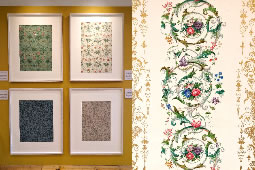
New William Morris Society Exhibition on Art of Wallpaper
Displays feature designs from the Sanderson Design Group archive

Subversive Tea Towels on Display at Riverside Studios
Textile artist Holly Searle exhibits work done during lockdown
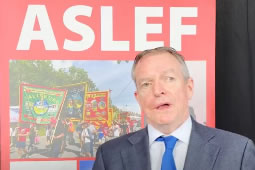
Tube Strikes Suspended After Talks Make Progress
TfL agrees to not change working arrangements without agreement
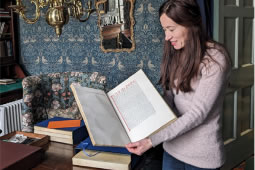
The Doves Bible Returns to Emery Walker's House
Book sold to establish Trust repurchased after thirty years
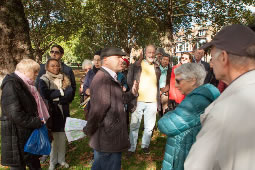
Get Out and About on a Guided Walk This Spring
Learn about West Kensington rockers and Margravine Cemetery

Transport Disruption Ahead in Hammersmith
Engineering work and strikes affecting tube and rail services
Forthcoming Roadworks in Hammersmith
Delays in store on due to local road and lane closures
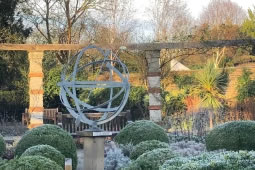
Join The Friends of Ravenscourt Park Walled Garden
Volunteers welcome to help maintain local hidden gem
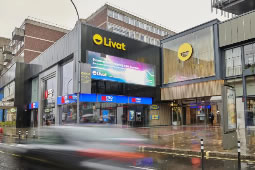
Meet New Friends on Chatty Tuesdays
All welcome to join new weekly event at Livat
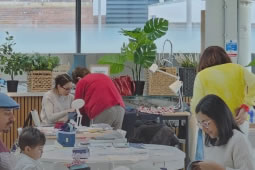
Join a Free Repair Workshop at Livat
Monthly sessions in King Street aim to tackle throwaway culture
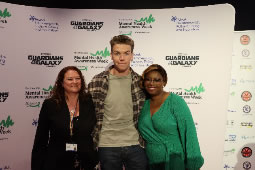
Guardians of the Galaxy Star Becomes Local Mind Ambassador
Will Poulter helping spread the message on mental health

New Exhibition on Victorian Designer John Henry Dearle
William Morris Society hosting display at Kelmscott House
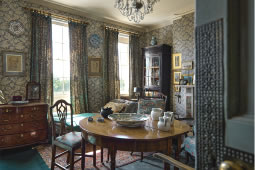
Glass in an Arts and Crafts Home
New exhibition begins at Emery Walker's House
Lifestyle
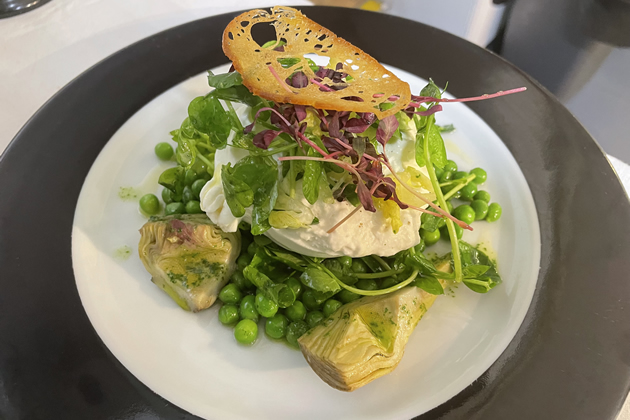
L'Amorosa
Celebrating 10 years of trading

Local Restaurant Voted as London's Second Favourite
Sam's Riverside ranks highly in the Harden's annual survey

Popeyes Opens in Hammersmith Broadway
New chicken restaurant launches with music, prizes and free food
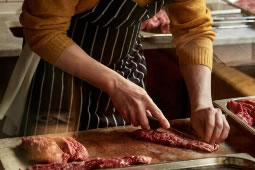
Flat Iron Set to Serve up Steaks on the Broadway
Another addition to spate of restaurant opening in town centre
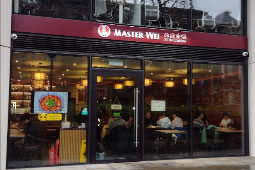
Noodles on the Menu at Hammersmith's Newest Restaurant
Launch of Master Wei completes 'foodie triangle' east of Broadway
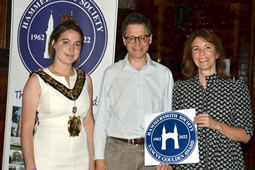
Elder Press Cafe Wins Hammersmith Society's Environmental Award
But council given Wooden Spoons for neglecting trees and for King Street Cycleway
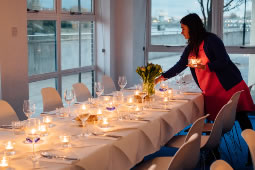
River Cafe's Sister Restaurant Set to Stay
Sylvia's becomes permanent fixture on Hammersmith's riverfront
Property
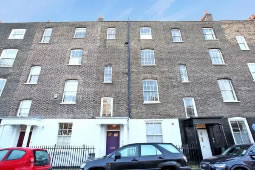
Two Tier Property Market Emerging in Hammersmith
Brisk trade in high value houses while flat sales 'moribund'
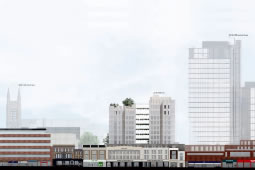
M&S Ten Storey King Street Scheme 'Needs Wholesale Improvement'
Hammersmith Society objects to plans after new images show true impact
Community
Latest Hammersmith Jobs
Employment opportunities in the local area

Former Slaves Given Hammersmith Blue Plaque
Ellen and William Craft honoured at former Cambridge Grove Home
The Listening Place is There for You
Suicide prevention charity has trained volunteers to talk to
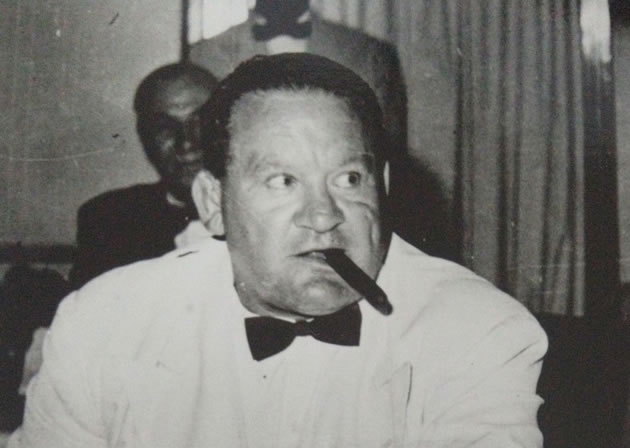
Chick 'Cocky' Knight's Hammersmith Bridge Heroics Finally Recognised
Mayor honours former wrestler who saved two people from drowning